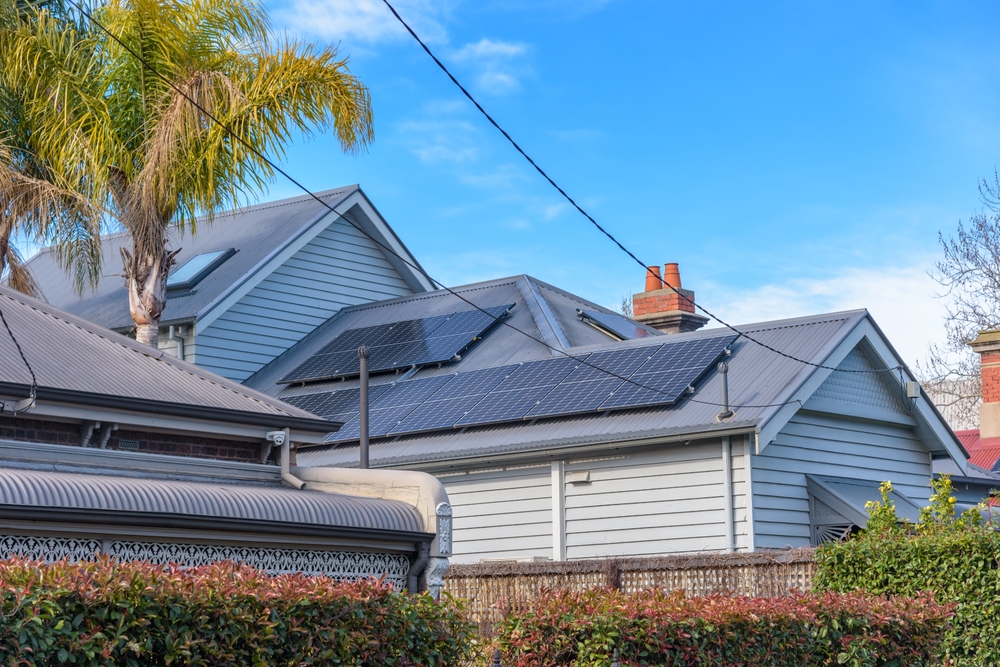
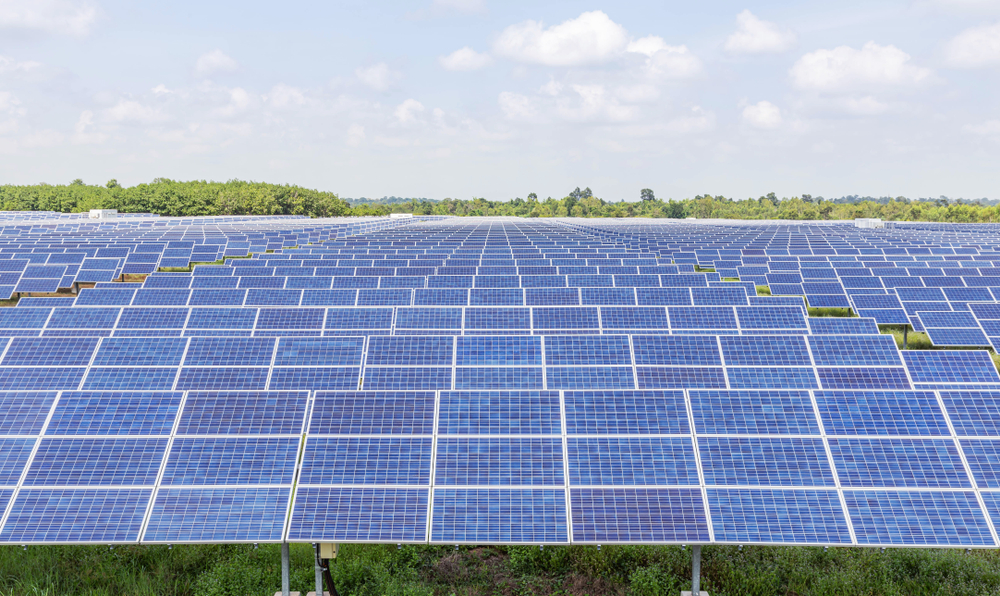
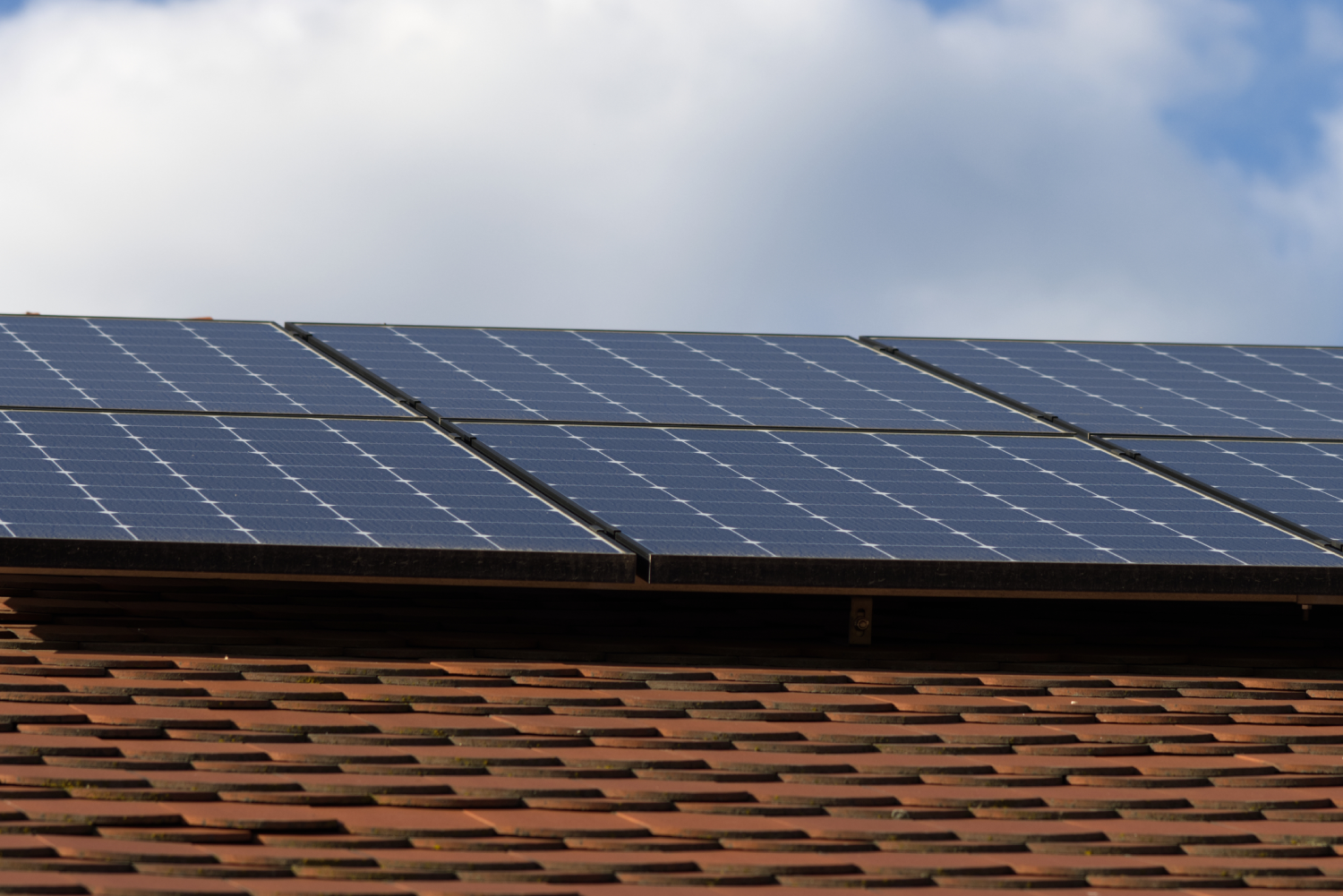
A solar panel is a package of many solar cells that are interconnected. These solar panels are used as components to generate and supply electricity for commercial and residential usage! Many a times, a single solar panel mounted on your roof can produce restricted amount of power and hence it is advantageous if few or many solar panels systems are placed together for acquiring better efficiency, based on the purpose of its usage!
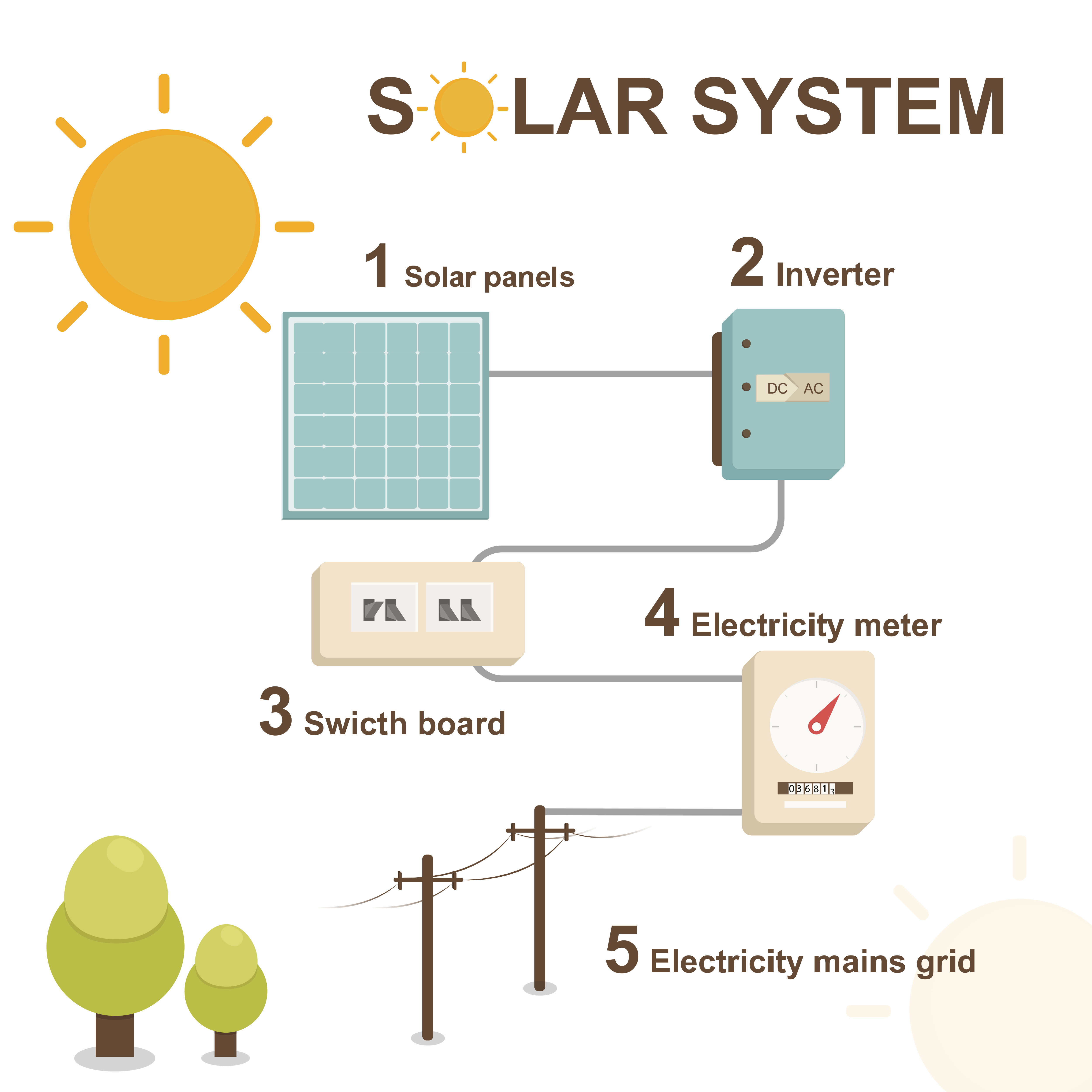
Thus if you have many panels in one place, then it is considered as a photovoltaic system that naturally includes an array of solar panels, an inverter, and sometimes a battery and interconnection wiring which is optional!
Light is both a wave and particle and hence its conversion to electrical energy is much viable. Solar panel is a large array of photo-diodes that convert light energy as electricity. The solar panels systems are made of semiconducting materials (mostly Silicon) which conducts electricity when sufficient light falls on them to excite their electrons.
Solar panels being an array of photo-diodes, converts light into electricity.
The heat energy excites electrons and the flow of the charge generates electricity.
This generated current cannot be used directly at home or for industrial purposes as we depend on alternative current sources.
Thus the role of an inverter becomes vital here.
An inverter converts Direct Current (DC) to Alternative Current (AC), making the generated current available for your needs.
Finally you get an uninterrupted self generated power supply for your appliances.
How solar panels work
Now that you know the working of Solar Panels, you would have a doubt on what type of solar panel you should buy!
Well, that greatly depends on the usage. To settle on the type of solar panel you wanted to buy, it becomes mandatory to know the material used and its performance.
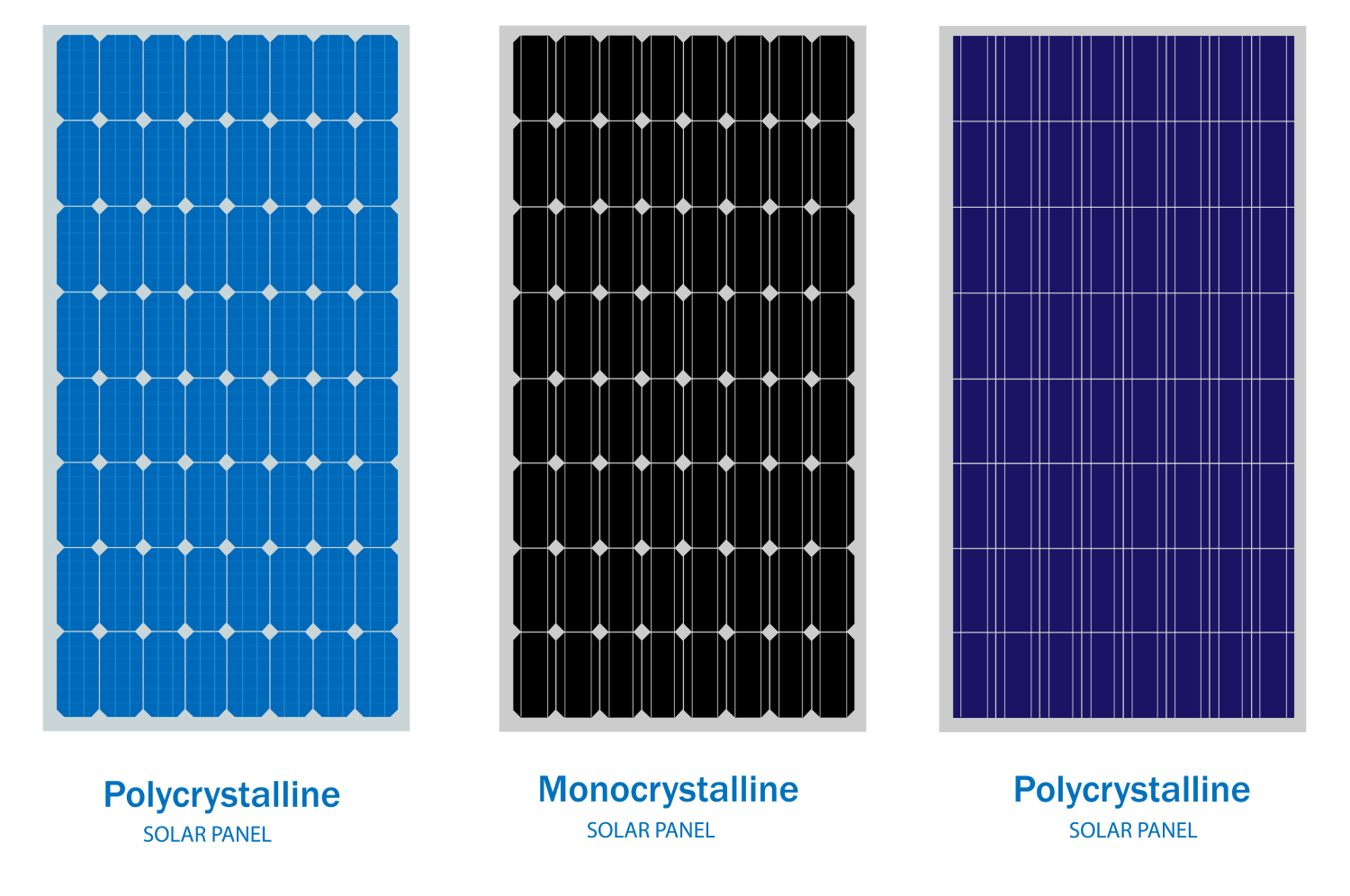
Mono-crystalline panels use a single type of silicon crystals which are diced and sliced to very thin strips and arrayed into a panel.
Poly-Crystalline
Poly-crystalline panels, as their name suggests it incorporate varied structured crystals along with silicon. Efficiency is comparatively less than mono-crystalline.
Amorphous and Thin Film Coating
Amorphous on the other hand are usually coated using thin film technology and are the cheapest and least efficient among the three.
Solar panel Watts and Kilowatts explained
Watt ranges
Solar panels come in a wide range of wattages, starting from small portable panels all the way up to high-output residential and commercial options. You’ll see panels in sizes like 40 W, 80 W, 90 W, 190 W and 200 W, which are usually used for camping, caravans, sheds or low-demand setups.
For homes, most people now choose panels between 350 W and 440 W, as they produce more energy from less roof space and meet today’s efficiency standards. The right option depends on how much power you need, how much roof space is available and your long-term energy goals.
Solar Panels by Kilowatts of Power
When we talk about full solar systems, we look at the total power in kilowatts (kW). This is calculated by adding up the wattage of all panels in the system.
Common system sizes in Australia include:
3 kW system Small homes or low energy households.
5 kW system A good fit for most average homes.
6.6 kW system The most popular size as it offers strong output and good value.
8 kW to 10 kW system Ideal for larger families, EV charging or homes with high daytime consumption. Each system size has different production levels and roof space needs, so choosing the right one depends on your daily energy use and future plans.
Tips to Buy Solar Panels for Your Home
Choosing solar panels is easier when you know what to look for. Key things to keep in mind:
Check the efficiency rating, as higher efficiency delivers more power in less space.
Look for strong product and performance warranties, ideally 12 to 25 years.
Make sure your installer uses Clean Energy Council-approved products.
Compare inverter brands as they’re the heart of the system.
Ask for a system design that suits your roof, shade and lifestyle.
Think ahead about battery storage, even if you’re not adding it straight away.
A reliable installer will guide you through all of this and tailor a system for your home.
Solar Panel Costs in Australia
Solar prices vary by system size, panel quality and installation requirements, but here’s a rough idea of current costs:
3 kW system: $3,000 to $5,000
5 kW system: $4,500 to $7,000
6.6 kW system: $5,000 to $8,500
10 kW system: $9,000 to $13,000
Higher-end panels and premium inverters cost more, but they often deliver better long-term performance and higher energy yields. Government rebates (STCs) also help bring the price down.
Solar Power Quotes for Free
If you’re comparing options, getting a few quotes is the best way to understand your choices and pricing. Most installers in Australia offer free solar quotes, including system design, expected output and estimated savings. This helps you compare brands, warranties and installation quality before making a decision.